Misplacing a set of keys or taking a moment to recall a name can happen in everyday life. Thinking, learning and remembering are influenced by many factors, including sleep, stress, medications, physical activity and nutrition.
Food is a useful place to begin, although no individual ingredient can guarantee a change in focus or thinking. Research into Mediterranean-style eating patterns frequently looks at vegetables, berries, nuts, fish and whole grains. Meanwhile, sugary drinks and frequent fried meals are generally choices worth moderating for overall wellness. These patterns do not mean that any one food improves or harms thinking on its own.
A note on the evidence: Researchers continue to study how eating patterns relate to cognitive well-being. Some findings are encouraging, but results are mixed, and associations do not establish cause and effect.
Foods worth including more often
Balanced eating patterns often feature vegetables, fruit, legumes, whole grains, fish and unsaturated fats. These options offer a variety of nutrients without suggesting that any one food can do everything on its own.

Leafy greens and colorful vegetables
Spinach, kale, broccoli and other vegetables add fiber and a wide range of vitamins and minerals to everyday meals. Mixing colors is an easy way to build variety.

Berries and whole fruit
Blueberries, strawberries and raspberries fit naturally into breakfasts and snacks. Whole fruit contributes fiber and can add variety in place of some highly sweetened options.

Fish and other nourishing proteins
Fish, beans and lentils can be part of a varied menu. Fatty fish, such as salmon, also provides omega-3 fats; evidence about specific cognitive effects is still being studied.
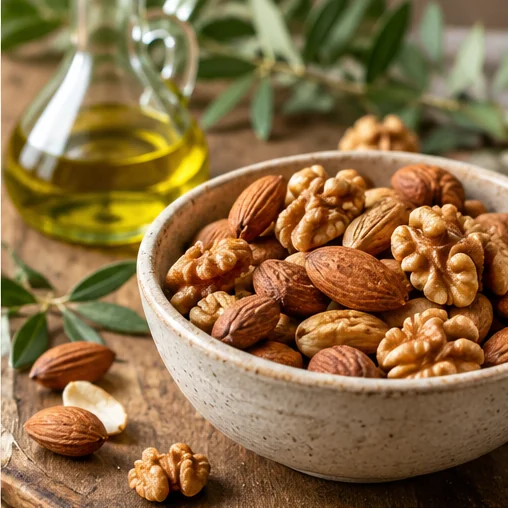
Nuts, whole grains and olive oil
Walnuts, oats, brown rice and olive oil can help diversify an eating routine. Portions and individual dietary needs still matter, especially when choosing energy-dense foods.
Foods worth enjoying less frequently
Foods do not need to be labeled as strictly “good” or “bad.” What matters more is how often certain choices appear and what they replace in the overall diet.

Sugary drinks and desserts
Sweetened beverages and desserts can contribute substantial added sugar. For some meals, water or unsweetened drinks may be a simple alternative.

Frequent fried or heavily processed meals
Some ready-to-eat meals are high in saturated fat, sodium or refined grains. Enjoying these less often can make more room for nutrient-dense foods.
Keep it realistic. One snack or one meal does not define a person's wellness. Sustainable routines leave room for preferences, traditions and enjoyment.
The other pieces of the picture
Nutrition is only one influence on everyday well-being. These familiar habits can help create a more rounded routine:
Consistent sleep
A regular bedtime and a comfortable sleep environment are practical foundations for daily functioning.
Movement you enjoy
Walking, stretching or other suitable activities contribute to overall physical well-being.
Hydration and regular meals
Having water available and planning regular meals can make it easier to maintain routines.
Social and mental engagement
Reading, learning, hobbies and spending time with others can make daily life more engaging.
If changes in thinking or daily functioning are new, persistent or concerning, speaking with a qualified healthcare professional is appropriate. This article is for general educational information and is not personalized medical advice.
Explore the background
These independent resources provide additional context on nutrition, daily habits and cognitive health. Linking to a source does not imply that the organization endorses this website or its quiz.